
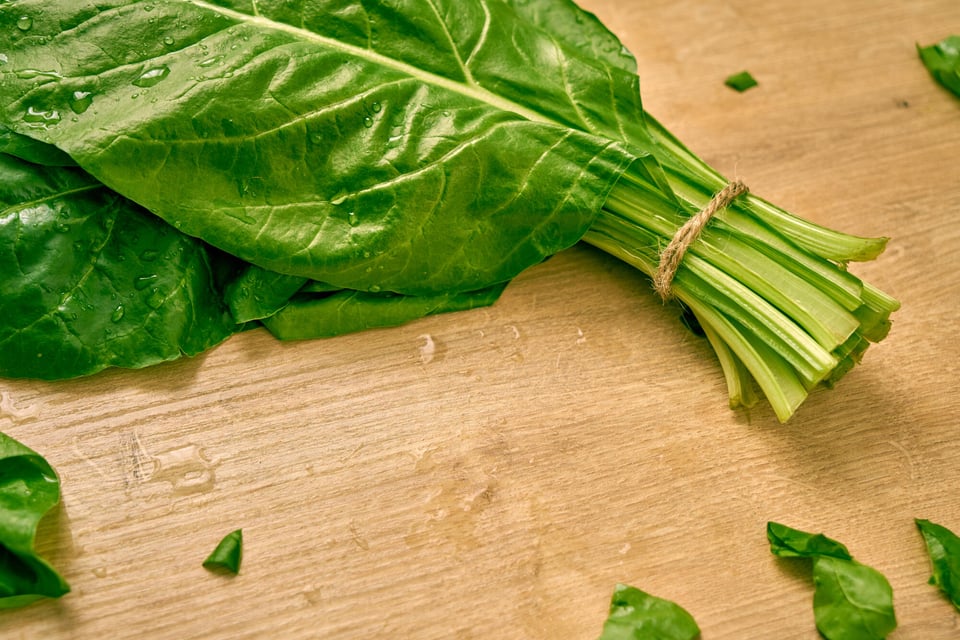
Seniors in Asheboro, NC often turn to medications, vitamin supplements, and health care services for dealing with wellness difficulties. However, the best results often come from natural solutions. A balanced, healthy diet is crucial for self-wellness, and getting enough fiber from high-fiber vegetables -- such as kale, broccoli, and potatoes -- is particularly important.
According to the Mayo Clinic, a lack of fiber can cause slow digestion, constipation, and even low energy throughout the day. Instead of resorting to expensive and less effective supplements, seniors can get all the fiber they need from a rich diet of high-fiber vegetables.
Nutrition and Energy: Types of Dietary Fiber Explained
There are two main types of fiber, and the first is insoluble fiber. This is fiber that the body is incapable of digesting. While that might not sound like a positive thing, it actually offers some key benefits for the digestive system.
The undigested fiber bulks up inside the digestive system, helping to move food through the gut in a healthy way.
The second kind of fiber is soluble fiber. This stops sugar from being absorbed into the body too quickly by slowing down the pace of digestion. It gives seniors a more consistent dose of energy throughout the day, rather than using it all up at once, leaving seniors feeling lethargic later on.
Digestive Health for Seniors With High-Fiber Vegetables
Instead of getting fiber from supplements, it's best to go with natural solutions. After all, these are what nature intended. When you get fiber through vegetables, it's easy to consistently get a consistent amount of the different types of fiber that your body needs.
There are many different kinds of vegetables and even more ways to prepare them. So it's possible to stay consistently healthy without having to eat the same boring foods and snacks every day. Here are some of the best sources of fiber available:
- Broccoli: Broccoli is crunchy, filling, and helps keep digestion moving.
- Carrots: Carrots are easy to eat raw or cooked, and help keep blood sugar steadier.
- Brussels sprouts: Sprouts are hearty and great for supporting regular bowel movements.
- Green peas: Peas are a simple but effective way to add a big fiber boost to meals.
- Sweet potatoes: They're filling and give longer-lasting energy, especially if you keep the skin on.
- Spinach: Spinach is easy to add to smoothies or omelets, and supports overall nutrition.
- Kale: Kale is easy to add to soups or eggs, and supports overall nutrition.
- Cauliflower: Cauliflower adds bulk and works well roasted or as a substitute for rice
- Potatoes: Potatoes are one of the most versatile sides; they're more filling with the skin left on.
The acquisition of these vegetables is a practical and natural approach to preserving digestive health.
Consuming a diverse range of fiber-rich vegetables ensures the digestive system functions efficiently. Prioritizing these foods in your daily meals gives your body the tools it needs forsteady energy and healthy digestion.
Fiber and Aging: Varied Fiber Consumption
According to the Harvard T.H. Chan School of Public Health Rather than getting all of your fiber in one meal, it's best to spread fiber consumption throughout the day. Here are a few other ways to boost fiber that go beyond just eating vegetables:
- Switch to whole-grain foods: For example, use whole-grain pasta instead of white pasta.
- Eat beans or lentils: For example, use these to make refried beans or hummus.
- Add seeds or nuts: For example, stir chia or ground flax into yogurt or oats, or snack on a small handful of almonds.
How Senior Communities Help Residents Eat Senior-Friendly Vegetables
Getting a rich diet full of fiber is key to avoiding constipation and low energy later. While saying this, you might be tempted to attempt to supplement by offering the required fiber in a single pill. These are simply not as effective as getting the right diet.
Some seniors might struggle with eating the right diet when they live at home. For example, they might not have a valid driving license and might struggle getting to the grocery store.
For these seniors, moving into a senior living community is often the solution. In these communities, seniors can relax and enjoy retirement while on-site chefs worry about the logistics of putting together healthy meals.
Frequently Asked Questions
How Much Fiber Should Seniors Get Per Day?
According to the Linus Pauling Institute at Oregon State University, 21g per day is the recommended amount for women over the age of 50, and 30g is the recommended amount for men within that age category.
How Much Fiber Do Seniors Eat?
Seniors might be unsure how much fiber they're actually eating, so they can keep track by checking the food labels and looking for fiber amounts. If they're comfortable with a smartphone and know their way around the app store, they could try using a food diary app.
What if Eating Fiber-Rich Foods Causes Bloating or Gas?
Many seniors shy away from the beneficial effects of fiber because they've had bad experiences with these foods, causing excessive bloating or gas. The problem here is often that seniors are consuming too much, too soon. Whenever you make a significant change to your diet, it's best to do it gradually rather than immediately changing everything.
To avoid these unpleasant side effects, try gradually increasing the intake over a period of two to three weeks. Seniors introducing more fiber into their diet should also drink plenty of water, and they could also try taking a light walk after eating their meals. If problems persist after taking these steps, they should consult with a doctor or dietitian.
Enjoy Healthy Senior Meals at TerraBella Asheboro
Here at TerraBella Asheboro, our Sensations Dining Program means all our residents enjoy fiber-rich meals. Chef-prepared meals are served in a restaurant-style setting with attentive table service.
Seniors don't need to worry about going to the store or about storing ingredients and preparing high-fiber vegetables. Instead, they can focus their energies on enjoying their leisure time.
We'd love for you to see our approach to dining, fiber, and aging, and much more. Contact us today, and we'll set a date for you to come and tour our community and answer any questions about the TerraBella Asheboro lifestyle that you might have.
